Over 25% of all dental insurance claims are denied on the first submission. If you’re not actively appealing these denials, you’re leaving money on the table. Understanding the dental insurance claim denial appeal process can be the difference between a thriving practice and one that struggles financially. Here’s how to effectively appeal denied claims with real numbers and actionable steps.
1. Identify Denied Claims: 2-3 Days
First, assess which claims have been denied. This should take no longer than 2-3 days if you’re using a practice management system. Look for claims that are denied due to coding errors, lack of documentation, or incorrect patient information.
Common denial reasons include:
– Incorrect procedure codes (e.g., using an outdated code)
– Insufficient documentation (missing X-rays or treatment notes)
– Coverage issues (services not covered under the patient’s plan)
Failing to identify claims promptly can lead to losing out on recoverable funds.
2. Review Explanation of Benefits (EOB): 1 Day
Once you’ve identified denied claims, spend a day reviewing the EOBs. This document outlines why each claim was denied and gives you the necessary details to craft your appeal. Pay close attention to the denial codes and descriptions.
Common EOB denial codes include:
– Code 204: Services not covered
– Code 205: Procedure deemed not medically necessary
Ignoring the specifics can lead to repeated mistakes in future submissions.
3. Gather Required Documentation: 3 Days
Collect all necessary documentation to support your appeal. This typically includes:
– Treatment notes
– X-rays or relevant diagnostic images
– Prior authorization letters (if applicable)
Allocate up to 3 days to gather this documentation. Incomplete submissions are a significant reason for further denials—aim for 100% completeness to bolster your case.
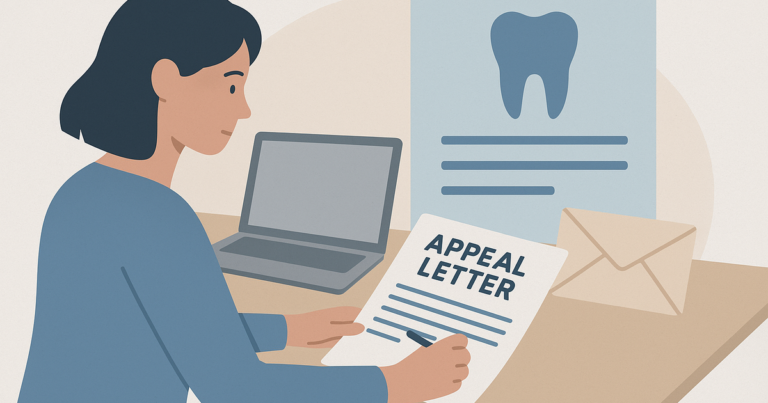
4. Write Your Appeal Letter: 2 Days
Craft a concise, factual appeal letter addressing the specific reasons for denial. Aim for a length of 1-2 pages and include:
– Patient information
– Claim number
– Specific denial reason
– Supporting documentation
Mistakes in this process can lead to a 50% failure rate in appeals. Make sure every detail is accurate and substantiated.
5. Submit the Appeal: 1 Day
Send out your appeal within 1 day of completing your letter and documentation. Use a trackable method (like certified mail) to ensure it reaches the insurance company.
Keep a log of all submissions; a missing appeal could mean a loss of hundreds to thousands of dollars.
6. Follow Up: 1 Week
After submitting your appeal, follow up within a week. Call the insurance company to confirm receipt and inquire about the expected timeline for a decision. Many providers overlook this step, resulting in delays or lost appeals.
If you don’t get a response within 30 days, escalate the issue. You may need to resubmit or contact a supervisor.
7. Analyze Results: 1-2 Days
Once you receive the outcome, take 1-2 days to analyze the results. If the appeal is successful, ensure the payment is processed correctly. If denied again, assess the reasons and consider further escalation or consulting with a claims recovery expert.
Understanding your success rate can inform future strategies. Aim for at least a 50-70% approval rate on your appeals to validate your approach.
Conclusion: Take Action
The dental insurance claim denial appeal process can be daunting, but with a structured approach, you can minimize denials and maximize revenue recovery. Each step in this process carries specific timelines and focuses on accuracy to improve your chances of success.
If you’re overwhelmed or need further assistance, consider our services at Apex Dental Recovery. We specialize in helping dental practices recover denied claims on a contingency basis. Our AI-driven software speeds up the claims process, letting you focus on what you do best—providing quality dental care. Contact us today to learn more about how we can help you recover lost revenue efficiently.
Sitting on denied or underpaid dental claims? Apex Dental Recovery will tell you what is recoverable and quote the rate, free.
Leave a Reply